Queen, Prince, Princess, Saint
Prince of the Russian Empire
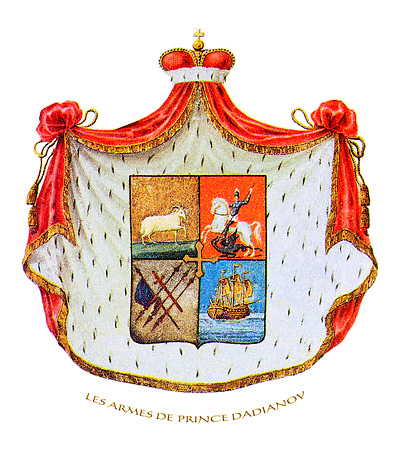
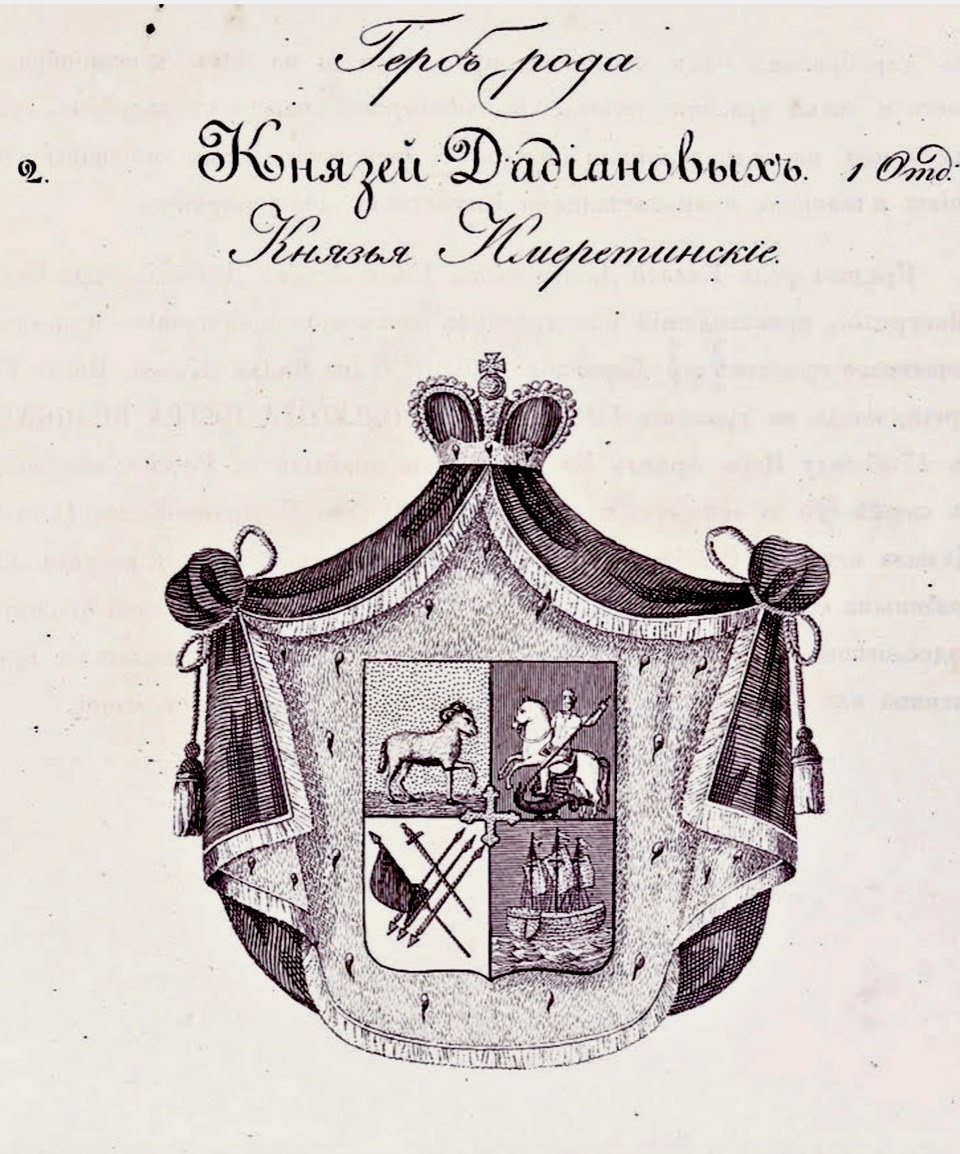
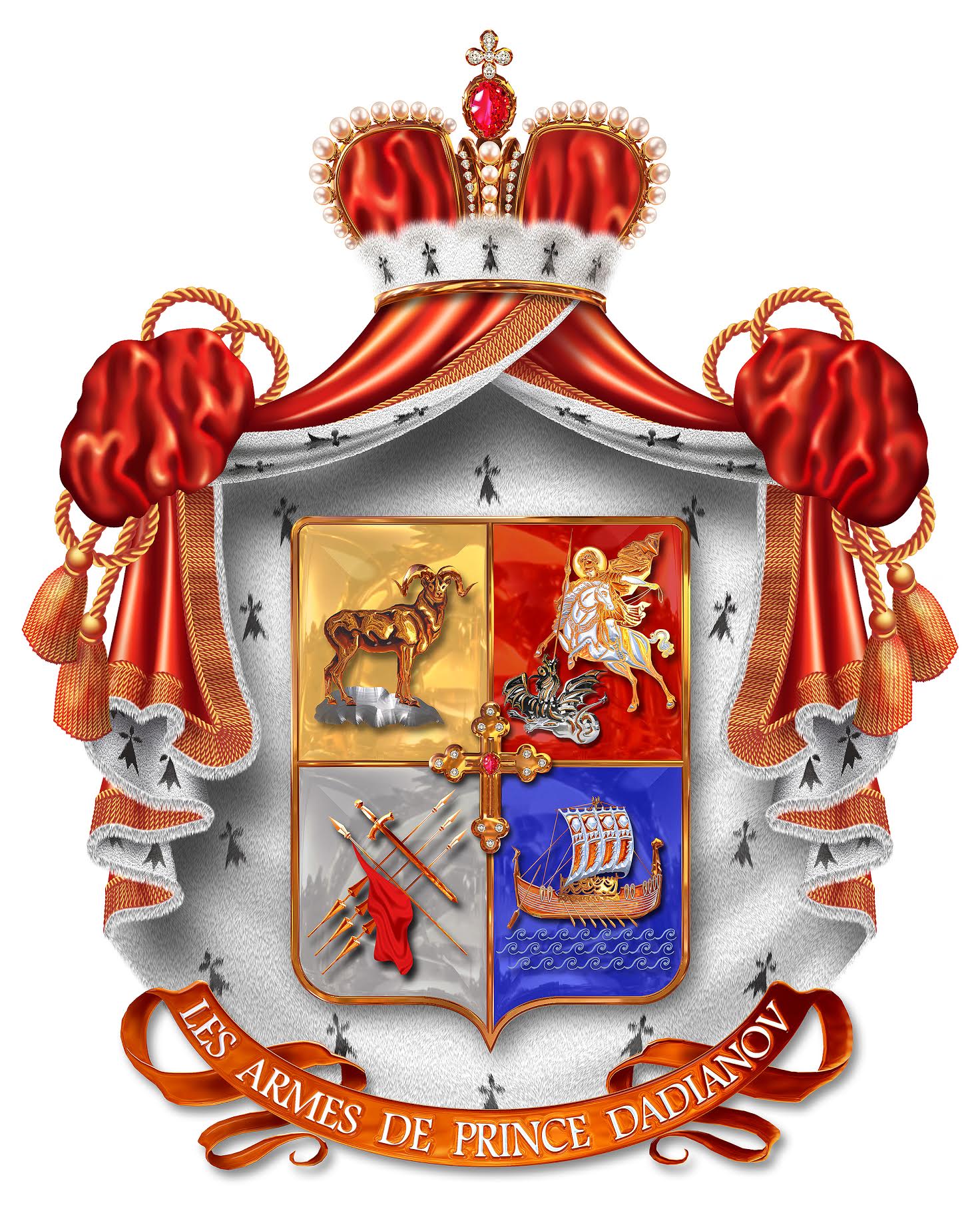
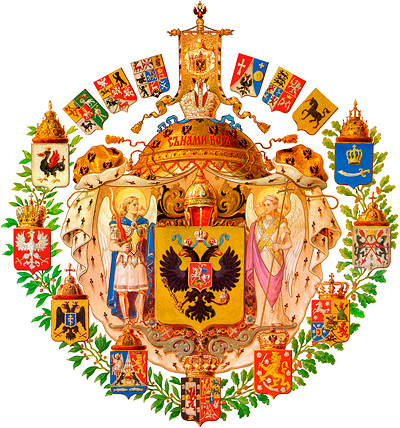
According to TRRI: Arms (I): (IC) 23 June 1801 - entered among the "Russo-princely" families, which Liubimov considers the equivalent of being elevated to the dignity of Prince of the Russian Empire.
Descendants were always qualified with the title of Prince of the Russian Empire in all official acts.
(DS) 5 Sept. 1801, 23 Dec. 1850, and 24 Mar.1859 [STRL].
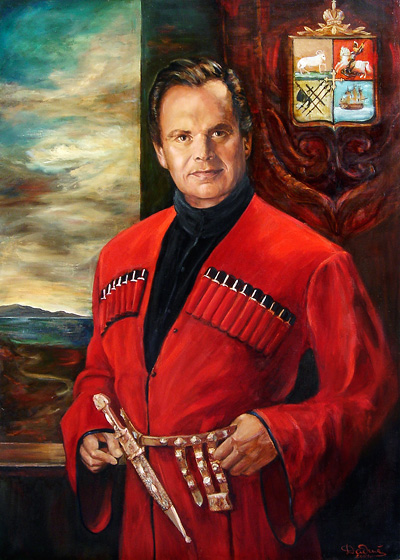
Prince V.A Dadianov
Honorary Consul-General for Georgia in Australia
Prince of the Russian Empire
Member of the Dadiani Family Union
Sergei Vasil'evich Liubimov in his "Titulovannye rody Rossiiskoi Imperii" (TRRI), considers members of only four Georgian families that settled in Russia before the annexation of the Kingdom in 1801 to be Princes "of the Russian Empire," viz. Argutinskii-Dolgorukii, Bagration, Dadianov, and Tsitsianov.
The ancestor of the lineage of the Princes Dadianov, Prince Levan Dadiani, was the Prince of Mingrelia, descending from the ancient lineages of the natural and hereditary Princedom of Dadiani of his ancestors.
The son of Prince Levan, Prince Georgy, was part of the suite of King Archil Vakhtangovich when the King arrived in Russia in the year 1700 by the decree of the SOVEREIGN EMPEROR PETER THE GREAT, and Prince Georgy remained as a subject of Russia.
The descendants of Prince Georgy Dadiani served the Russian Throne in various ranks and owned granted estates. All of this is proven by a certificate from the Votchina Collegium, the genealogy of the Princes Dadianov, and other records indicated in the genealogical book sent from the Moscow Noble Assembly.
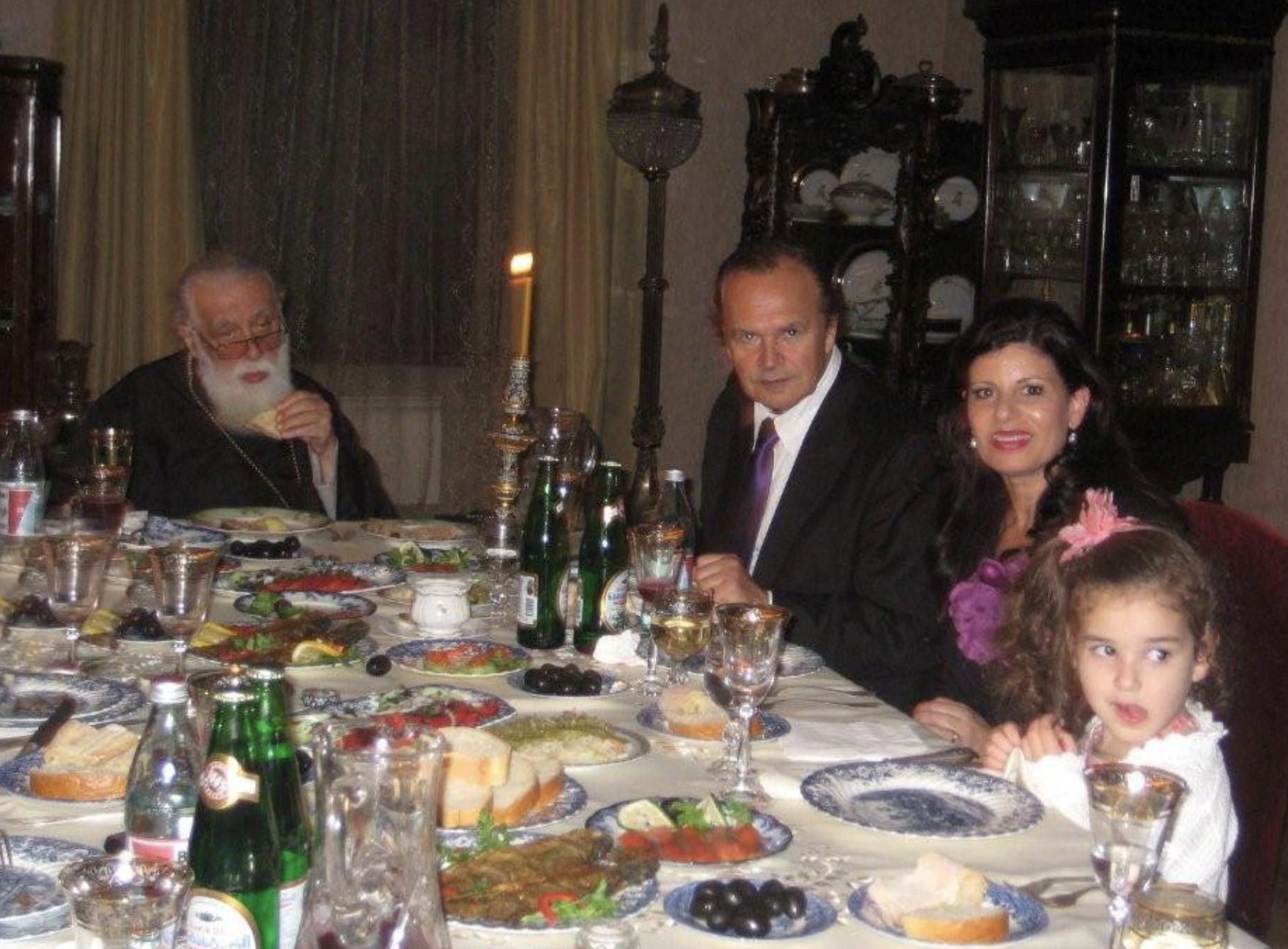

The Patriarch of the Georgian Church Ilia II at a private dinner with Victor Dadianov
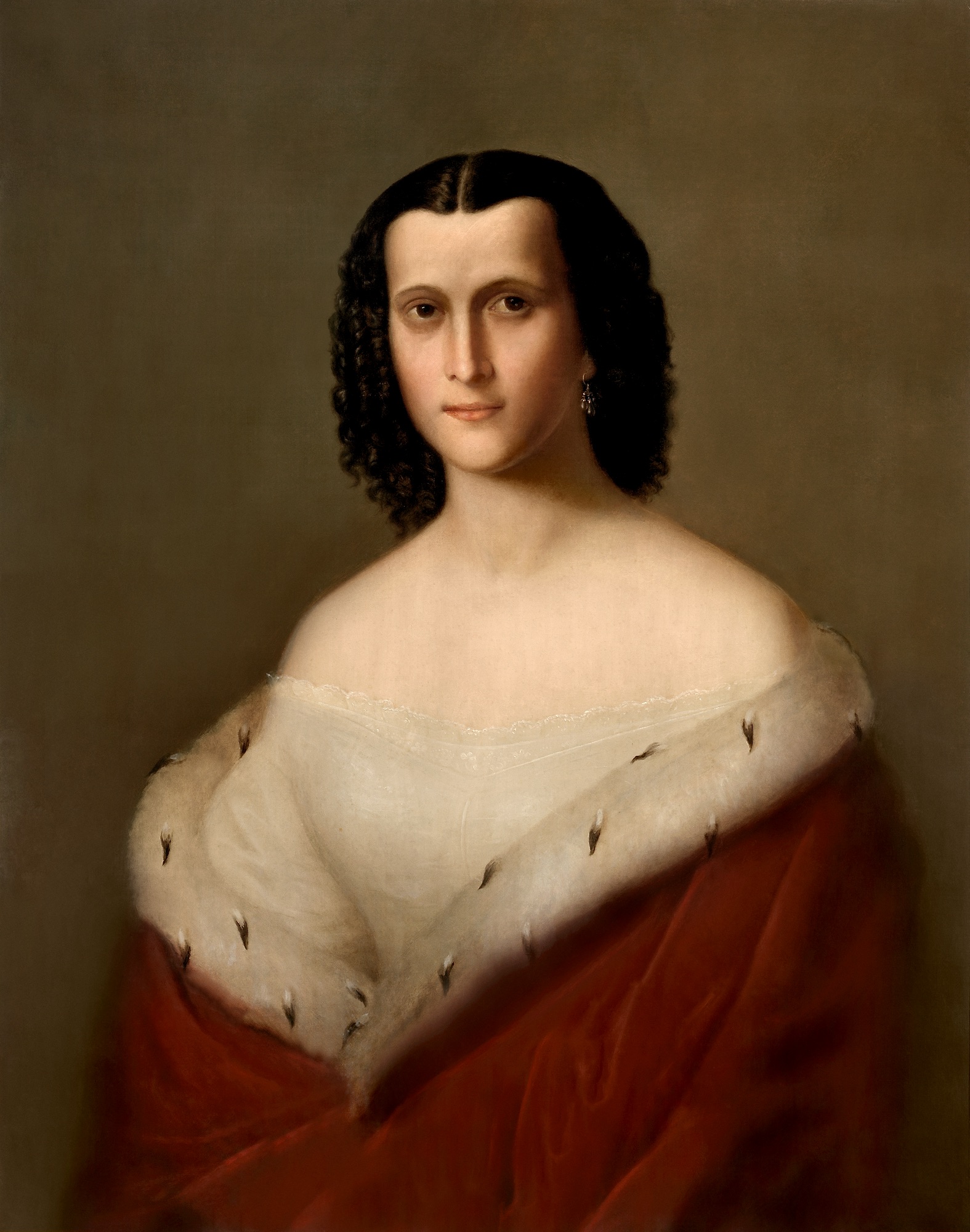
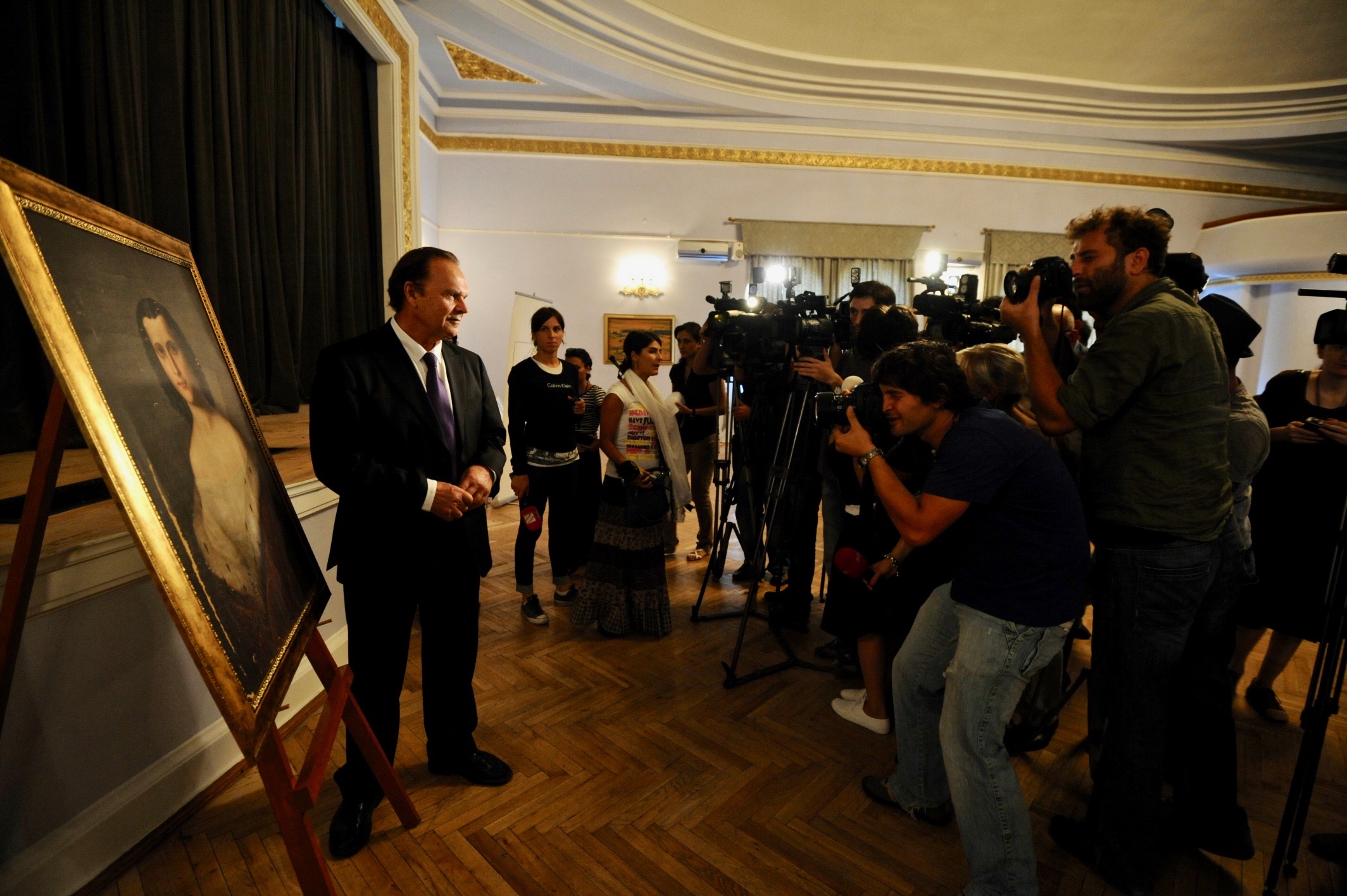
Victor Dadianov donated the historic portrait of Princess Nino Dadiani, daughter of George XII the last King of Georgia, to the Dadiani Palace Museum
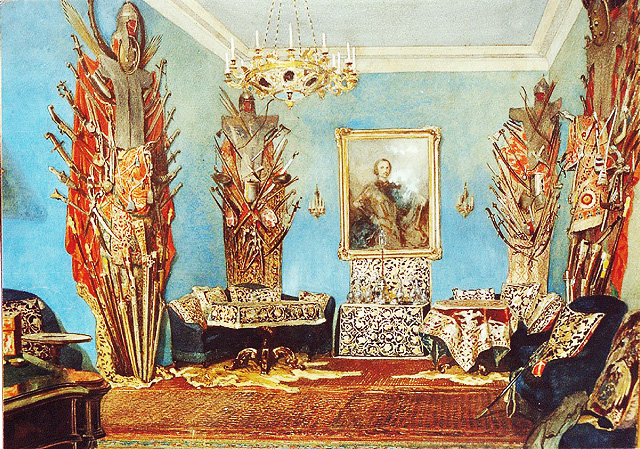
Dadiani Palace Armory Room
Saint Dadiani
The Session of the Holy Synod of the Orthodox Church of Georgia was held in October 26, 1999. The Holy Synod canonized Prince Tsotne Dadiani a Saint in recognition of His devoted service to his native people and the church. A ruler of West-Georgian principality Samegrelo Tsotne Dadiani (XIII century) participated in uprising against Mongol subjugators. He reported with his detachment to the arranged place for meeting with other conspirators at the agreed time. Unfortunately it turned out that some traitor had betrayed the uprising and the plot leaders had been seized. The ruler of Samegrelo dismissed his detachment and reported himself before Mongols as they were executing his associates. Prince Tsotne Dadiani told the subjugators that once his associates were convicted then he was to be convicted as well. The Mongols stunned by Tsotne's valor set all prisoners free.
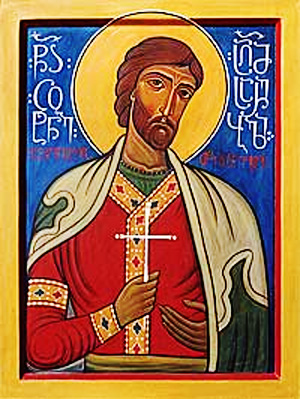
Prince Tsotne Dadiani (Saint)
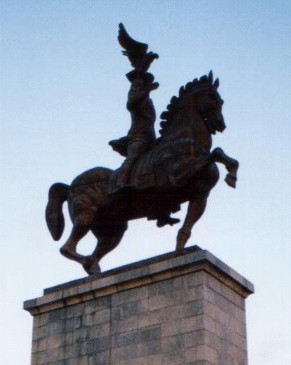
Prince Dadiani Statue
Vardan II Dadiani (Marushid-Vardanid dynasty), Duke of Bedia, Orbeti, Kaieni and Mingrelia (Odishi-Egrisi-Bedia), 1184/1213. King Levan III abdicated in favour of his son-in-law Katsia Chikovani (see Mingrel'skii). Levan's son, Giorgi Dadiani emigrated to Russia in 1700
Noble Katsia Chikovani (see that name), who became Sovereign Prince of Mingrelia on the abdication of Prince Levan III (see above), thus founding the 2nd House of Mingrelia under the title Dadian of Mingrelia. He was married to Levan III's daughter Mzekhatun. Annexation of the Principality of Mingrelia by the Russian Empire, 1866. Russia: (IU) 4 Jan. 1867 - title of Prince Dadianov/Dadian-Mingrel'skii with the qualification of Serene Highness for Andrei, brother of the last reigning prince, with the stipulation that all other descendants should simply bear the name and title of Prince Dadianov/Dadian and the qualification of His Illustrious Highness.
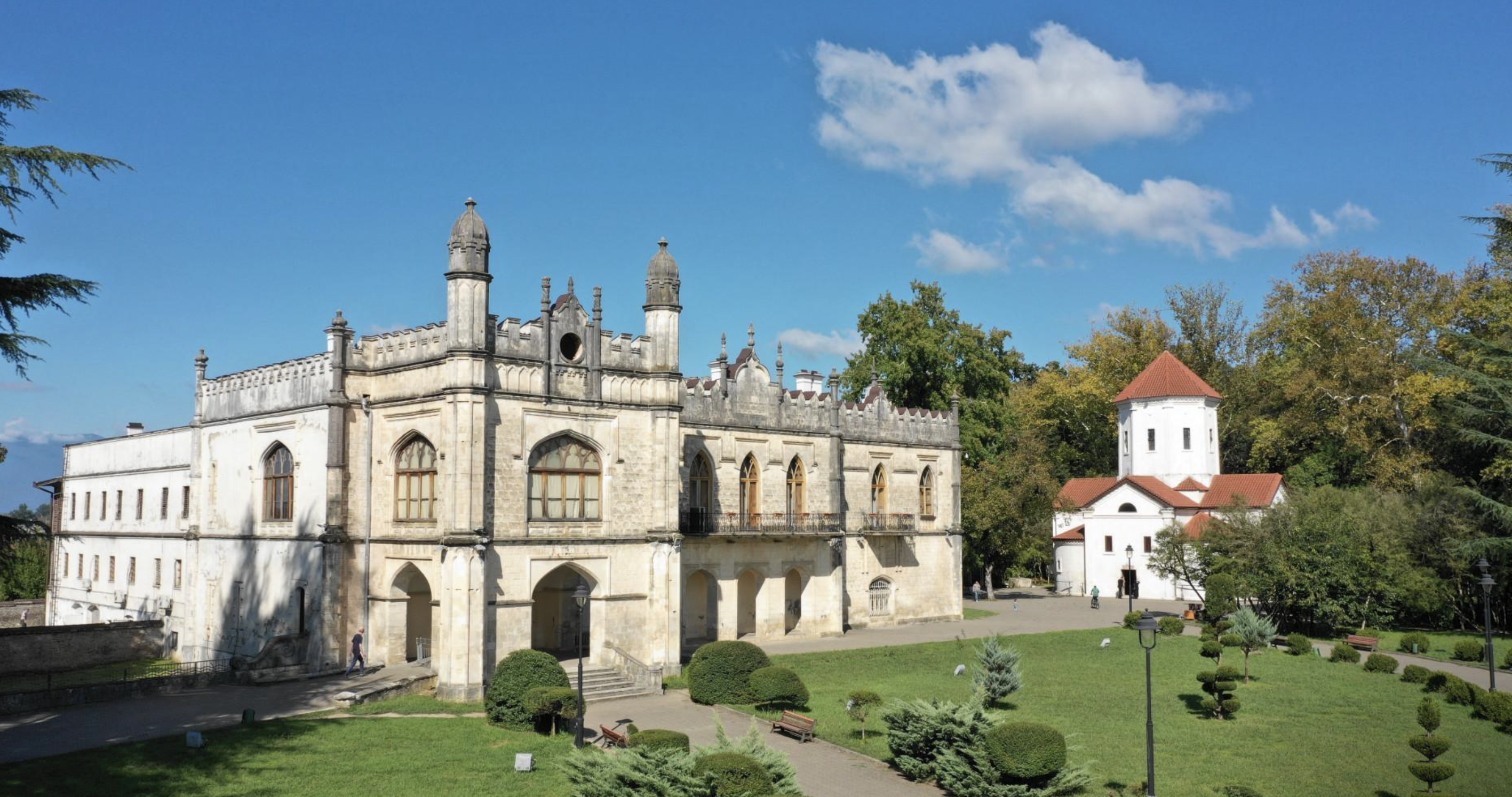
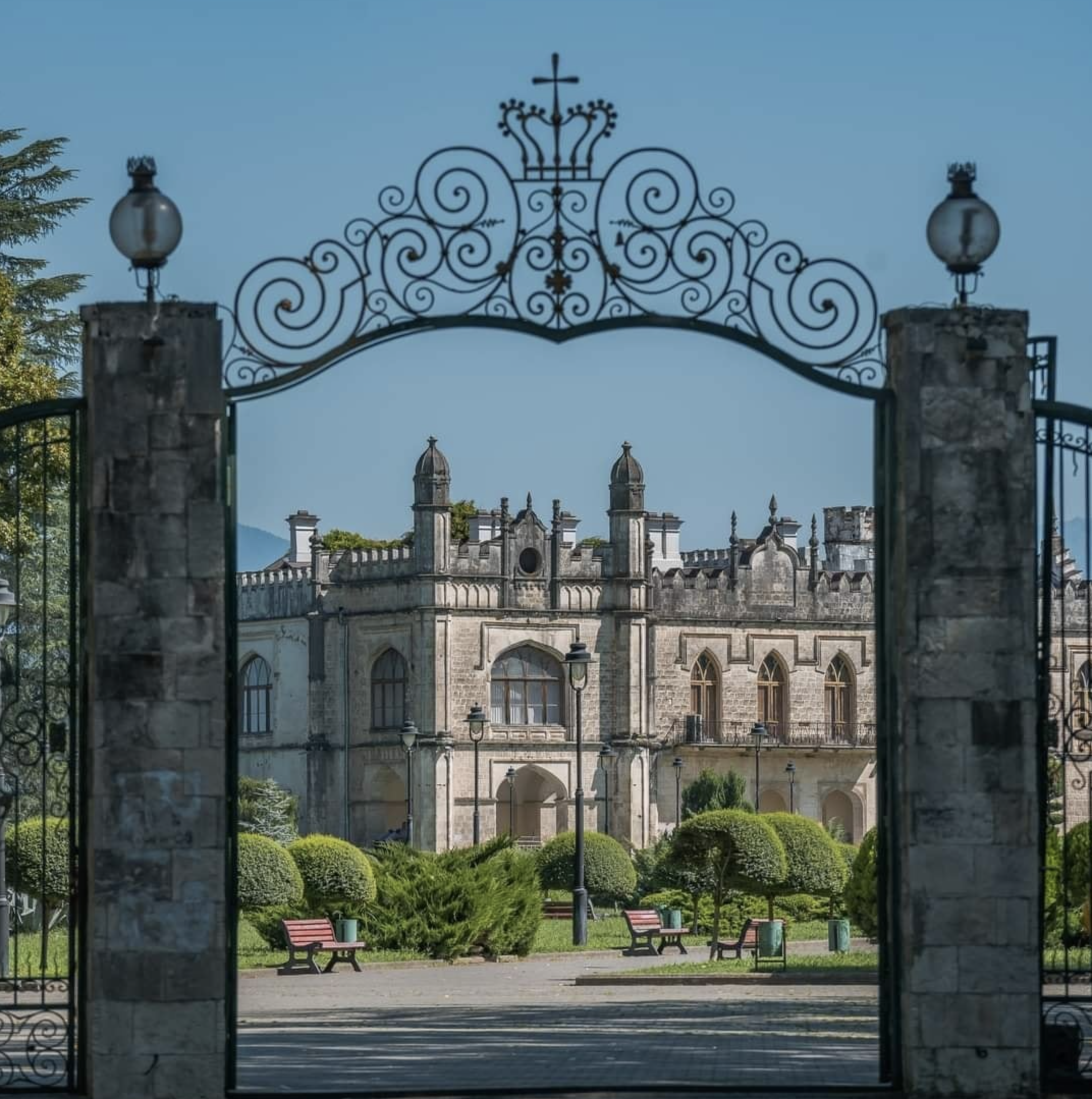
Dadiani Palace, where coins from ancient Colchis and a death mask of Napoleon are on display
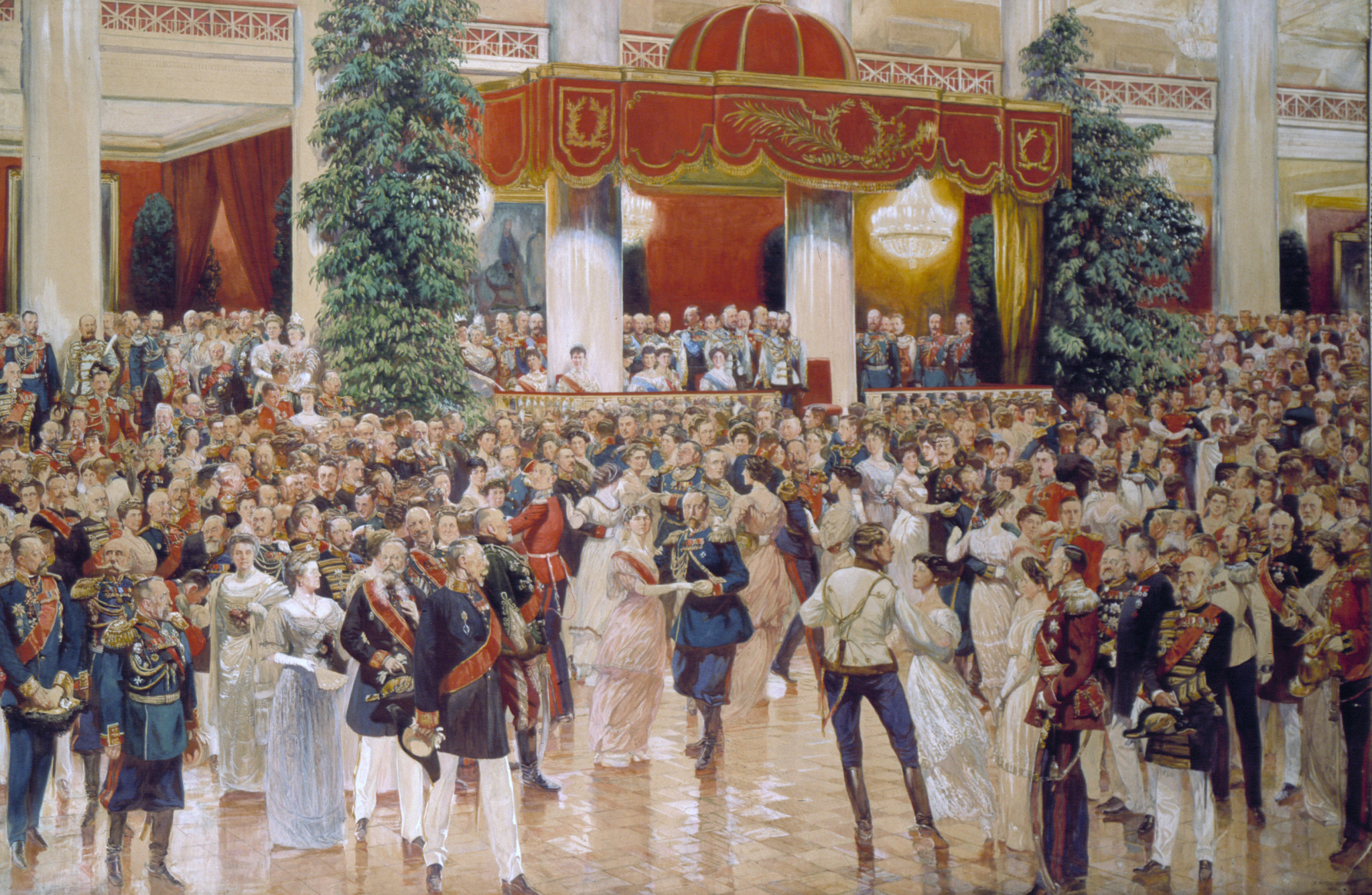
Members of Prince Dadianov's family at the Saint Petersburg Ball held at the Saint Petersburg Nobility Hall on 23/2/1913
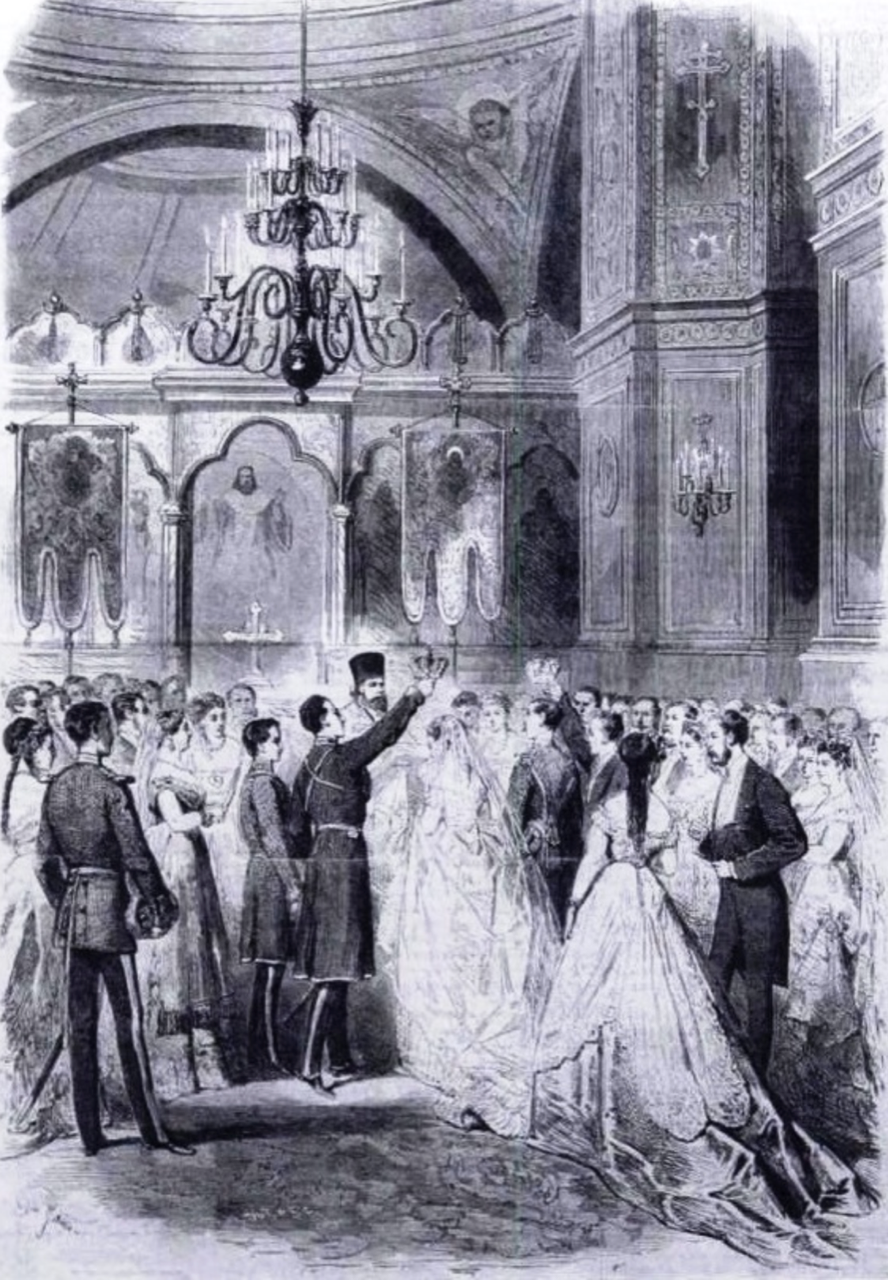
In the year 1868, Princess Salome Dadiani of Mingrelia entered into matrimony with Prince Charles Louis Napoléon Achille Murat, their union solemnized beneath the watchful gaze of Emperor Napoleon III and the radiant Empress Eugénie, whose presence lent the occasion an air of imperial splendor.

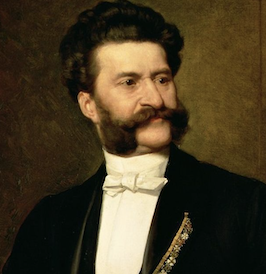
Johan Strauss dedicated a number of pieces to Prince Nicolas Dadiani. Prince Dadiani was a frequent guest at the Winter Palace in St Petersburg. One of the popular pieces is 'Niko Polka' available here to download. Also available is 'The Romance'.
Johann Strauss's dedication to Niko I Dadiani - Polka
Johan Strauss's 'The Romance' dedicated to Ekaterine Dadiani
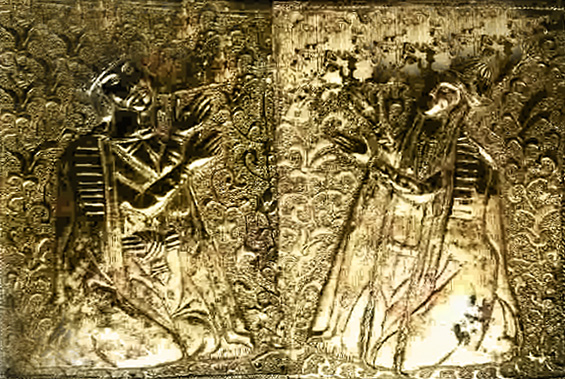
Prince Dadiani (Levan II 1611-1658)
Two silver plaques with donors' images (1640) were made in Levan Dadiani's gold chasing workshop in the village of Kortskheli (Samegrelo). Represented are the Governor of Samegrelo Levan II Dadiani (1611-1658) and his spouse Nestan Darejan. Carpet-wise background, ornament, the figures' clothing and headgear testify to the influence of Sasanid Iran. These were the part of the large icon of Kortskheli church.
Mtskheta Svetitskhoveli Cathedral
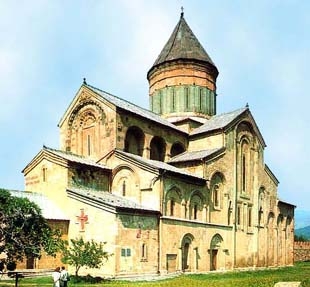
There is evidence that in the mid-16th century Svetitskhoveli was raided by Iranian Shah Tamaz. It was restored by Kartli King Rostom and his wife Queen Mariam Dadiani in 1756.
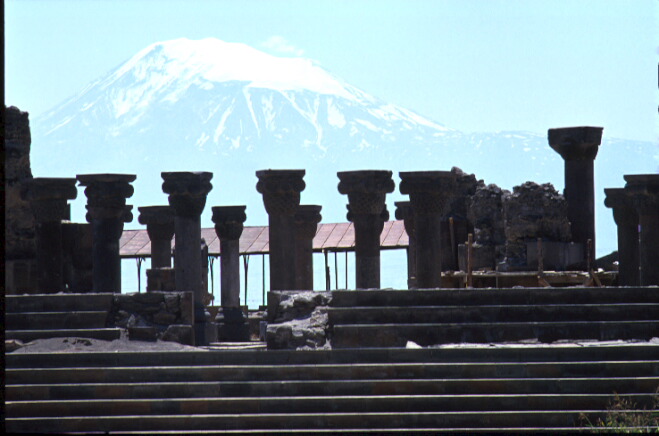
The Church of Zvartnots
The church stood up for more than 300 years and was destroyed during an earthquake.
This site was excavated from 1900 - 1907 by Prince Dadian (Khatchik Vartapet)